
Written and reviewed by Susumu
Born and raised in Japan · Checked against Japanese law and ministry guidance
Japan's free vaccination schedule for children — from BCG at 5 months to HPV at age 12. What vaccines are required, what to bring, and how to book.
Affiliate Disclosure: This article contains affiliate links. If you click a link and make a purchase, we may earn a small commission at no extra cost to you. We only recommend products we genuinely believe are helpful. See our Terms of Use for full details.
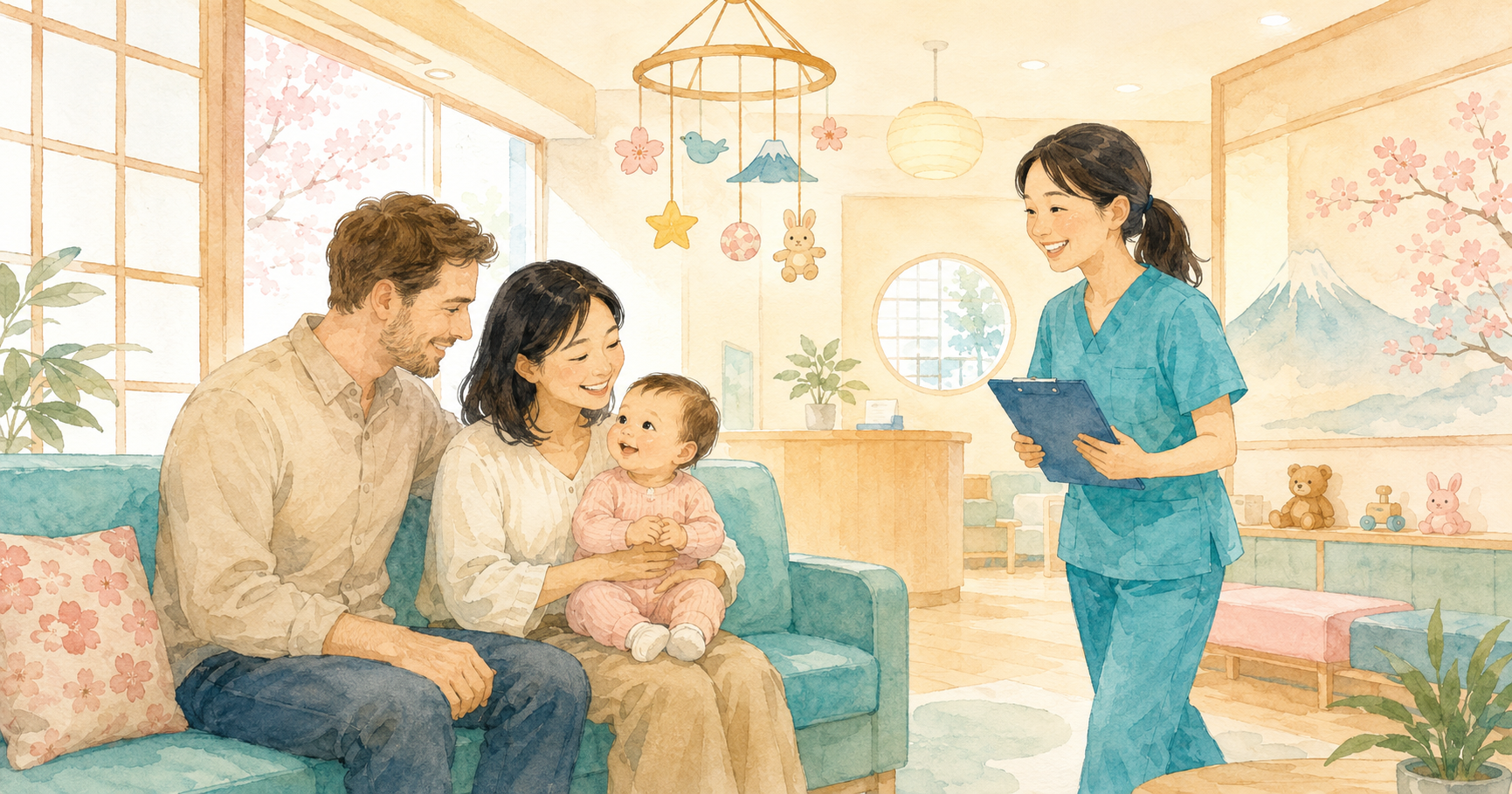
📌 Note: Japan's vaccine schedule is set by the national government, but vouchers and appointment procedures vary by municipality. Always check with your local city hall or pediatrician for details.
Two Types of Vaccines in Japan
Japan has a well-organized vaccination program, and if you've just had a baby, you'll want to get familiar with it early. The first thing to understand is that vaccines here fall into two categories.
定期接種 (teiki sesshu) — routine vaccinations — are covered by the government and free of charge. These follow the national schedule set by the Ministry of Health, Labour and Welfare, and your municipality will send you vouchers (接種券) for each one. Most of the important vaccines fall into this category.
任意接種 (ninni sesshu) — optional vaccinations — are not covered and you pay out of pocket. The seasonal flu vaccine is the most common example. Some families also choose to add the mumps (おたふく風邪) vaccine, which isn't on the routine schedule in Japan.
The routine schedule is managed nationally by the Ministry of Health, Labour and Welfare (厚生労働省).
The Routine Vaccine Schedule
It can look overwhelming at first, but the schedule is actually quite logical once you see it laid out. Almost everything important happens in the first two years — after that, it's mostly boosters and a couple of additions at school age.
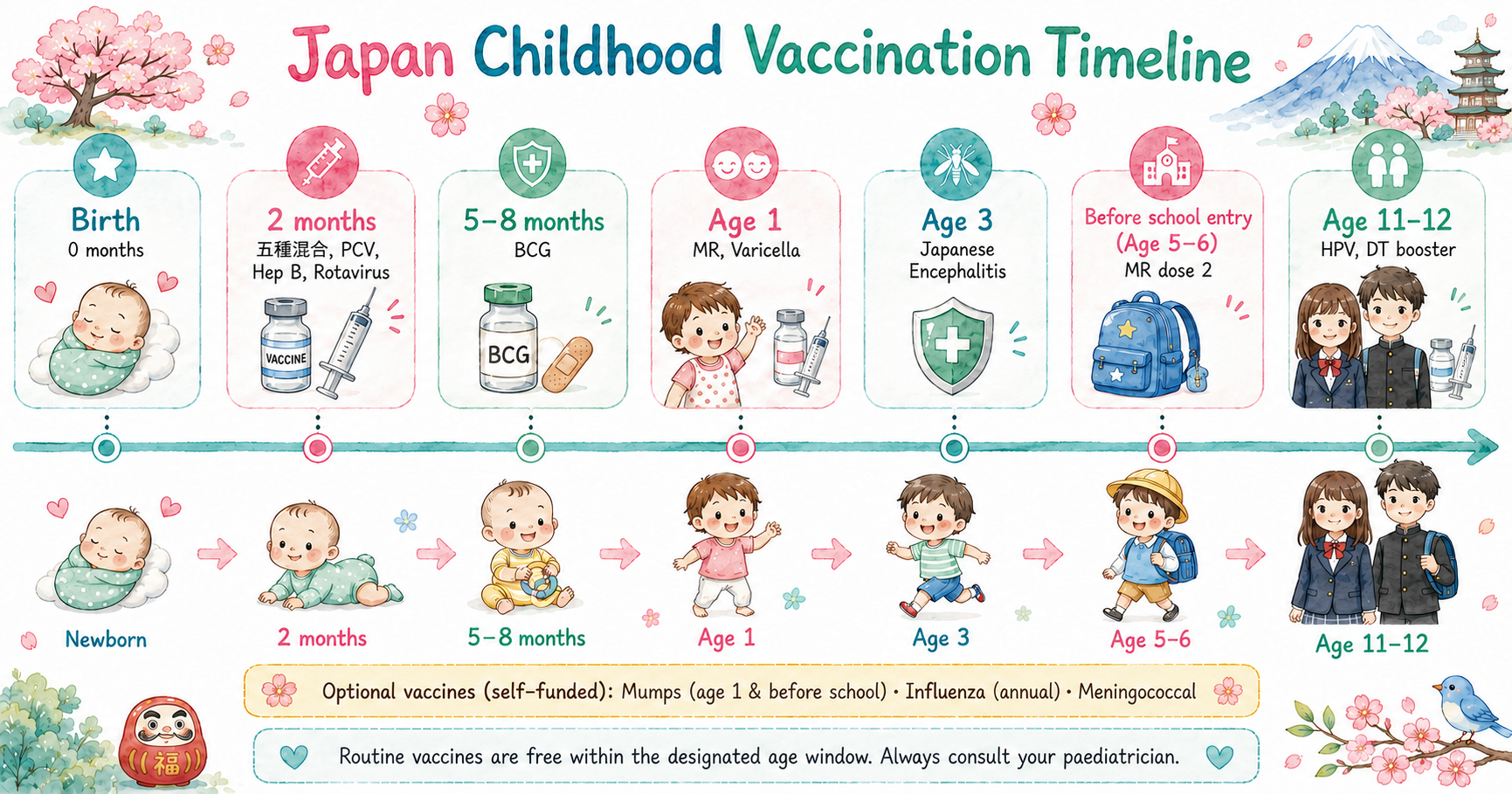
| Age | Vaccines |
|---|---|
| 2 months | Rotavirus (1st), Five-in-one* (1st), PCV (1st), Hepatitis B (1st) |
| 3 months | Rotavirus (2nd), Five-in-one (2nd), PCV (2nd), Hepatitis B (2nd) |
| 4–5 months | Rotavirus (3rd, if applicable), Five-in-one (3rd), PCV (3rd) |
| 5–8 months (before age 1) | BCG |
| 7–8 months | Hepatitis B (3rd) |
| 12–15 months | MR — measles & rubella (1st), Varicella (1st), PCV booster, Five-in-one booster |
| 18 months | Varicella (2nd) |
| Age 3–4 | Japanese Encephalitis (1st series) |
| Age 5–6 | MR (2nd) |
| Age 9–10 | Japanese Encephalitis booster |
| Age 11–12 | DT — diphtheria & tetanus (2-in-one) |
| Age 12–16 | HPV (girls; routine schedule covers grades 6 to high school year 1. HPV vaccination for boys is not part of the national routine program — some municipalities offer subsidies as voluntary vaccination) |
* The Five-in-one vaccine (五種混合) covers diphtheria, pertussis, tetanus, polio, and Hib — introduced in April 2024, replacing the previous four-in-one and separate Hib vaccines.
Combination vaccines are standard in Japan.
It's completely normal — and encouraged — to receive multiple vaccines at the same appointment. Your pediatrician will typically recommend the most efficient schedule. Your baby may get three or four injections at once.
What to Bring
Each vaccine appointment is straightforward. Before you go, make sure you have everything below — missing any one of these can mean a wasted trip.
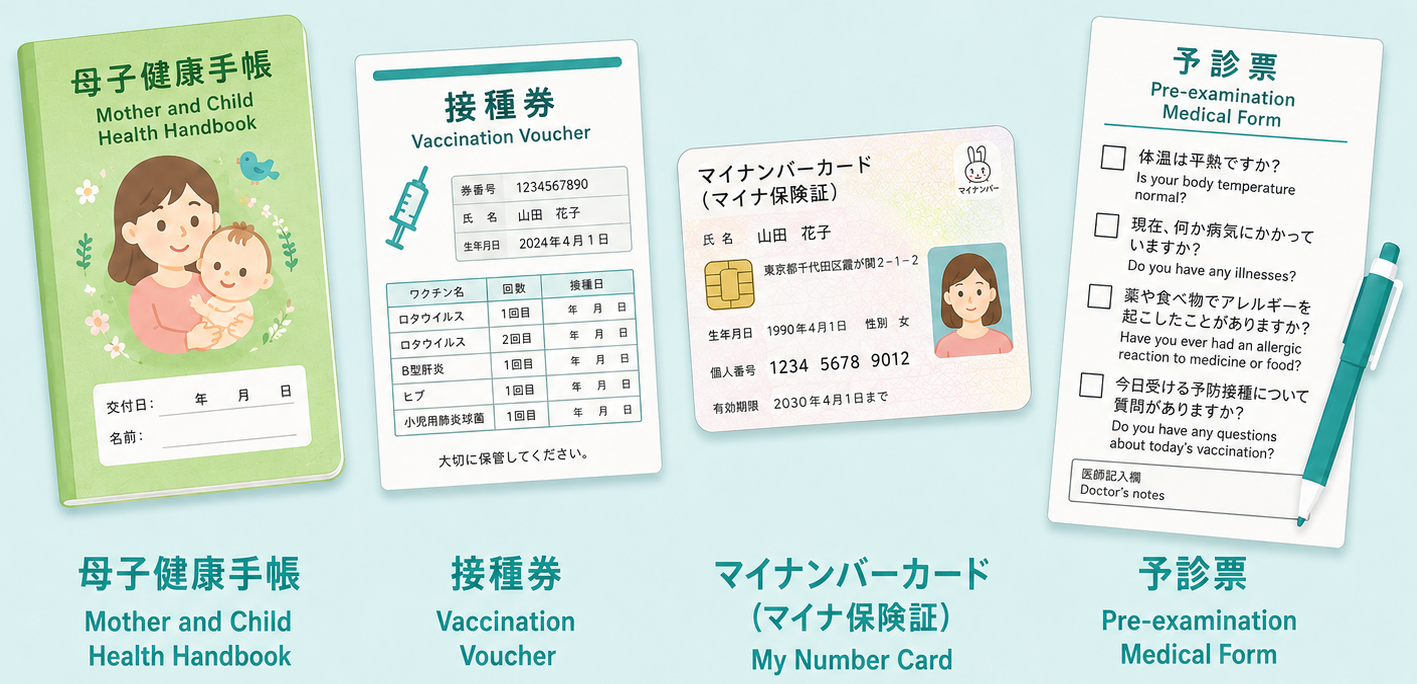
- 母子健康手帳 (Boshi Techou) — your child's health record. Every vaccination gets recorded here, and you'll need it at school enrollment.
- 接種券 (Vaccination voucher) — sent by your municipality, usually in a set. One voucher per vaccine. Don't lose these.
- マイナ保険証 (Insurance) — your child's My Number Card linked to health insurance. As of December 2024, the old 健康保険証 is no longer accepted. If you haven't linked your card yet, bring your 資格確認書 (shikaku kakuninsho — certificate of qualification) instead, which is issued automatically by your insurer.
- 予診票 (Medical form) — a pre-examination questionnaire. Fill this in at home before you go to save time at the clinic.
Haven't received your vouchers yet?
Contact your local city hall. Vouchers are usually sent automatically once your child is registered as a resident, but timing varies by municipality.
What Happens on the Day
Most pediatric clinics (小児科) have a simple process. You'll check in, hand over your documents, wait to be called, and the doctor will do a brief check before giving the injection. The whole thing rarely takes more than an hour, including the mandatory 15-minute wait after the shot.
- Book in advance. Most clinics require an appointment for vaccines. Call ahead or book online if the clinic offers it.
- Dress your baby in easy-to-remove clothing. The injection goes in the thigh for babies, the upper arm for older children. Simple clothing makes the appointment smoother.
- Avoid feeding right before. For younger babies especially, try to avoid feeding in the hour before the appointment, as some babies spit up from crying.
- Stay for 15–30 minutes after. Clinics ask you to wait after the injection to watch for any immediate reactions. Don't rush out the door.
Side Effects — What's Normal
Most babies sail through vaccinations without much trouble. Some have a rough day or two, and that's completely normal. Here's what you're likely to see:
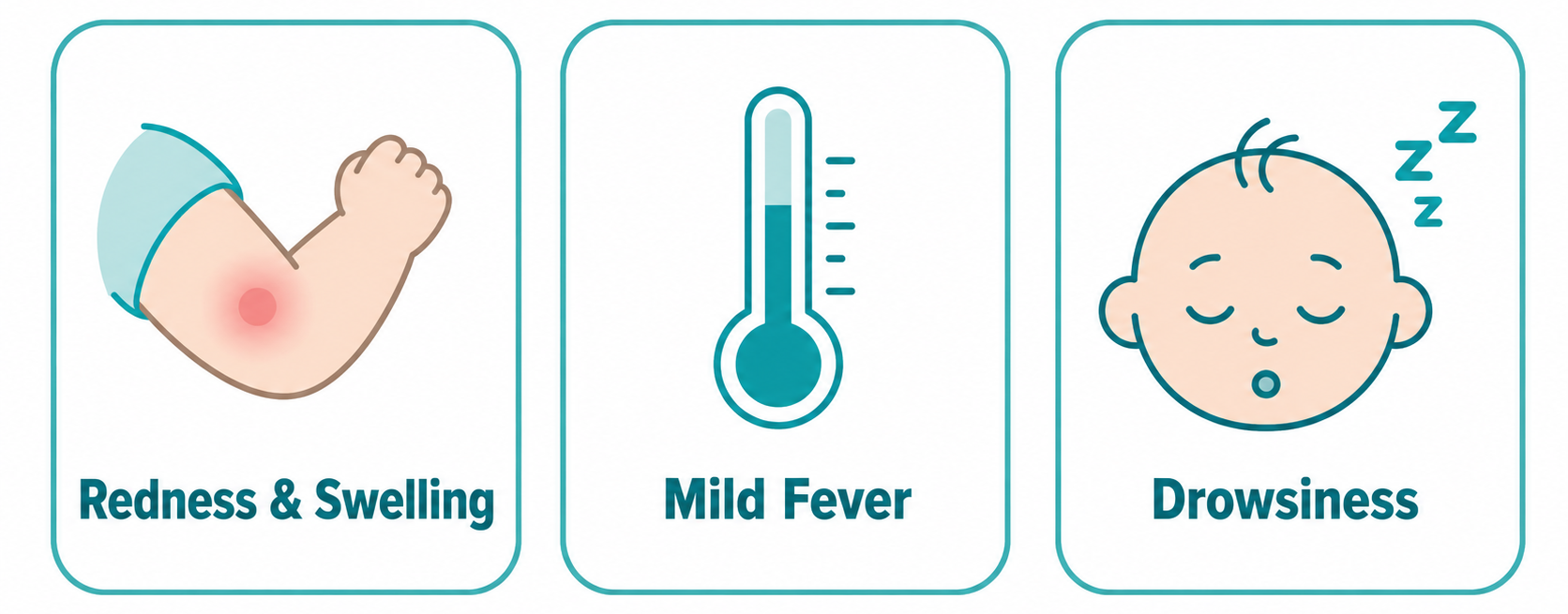
- Redness and swelling at the injection site — very common, usually settles within 2–3 days. A cool damp cloth can help.
- Mild fever — a temperature up to around 38°C is a normal immune response. Keep your baby comfortable and watch how they're doing.
- Drowsiness or fussiness — your baby may sleep more than usual or be unsettled for a day or two. This is normal and passes quickly.
When to call for help: If your baby has a fever above 38.5°C, won't stop crying, develops a rash, or you're worried for any reason, call the child health consultation line at #8000 (available in all prefectures). For emergencies, call 119.
Individual Vaccine Guides
Want to know more about a specific vaccine before the appointment? We have dedicated articles covering the most common ones:
Five-in-One Vaccine (DTaP-IPV-Hib)
Japan's newest routine vaccine — five diseases covered in a single shot from 2 months.
Rotavirus Vaccine
Oral drops, not an injection — but with a hard first-dose deadline at 14 weeks 6 days.
Pneumococcal Vaccine (PCV20)
Four doses before age 5 — updated to PCV20 in October 2024.
Hepatitis B Vaccine
Three doses before the first birthday — all three must be completed in time.
MR Vaccine (Measles & Rubella)
Two doses with strict age windows — miss them and the vaccine is no longer free.
BCG Vaccine
Japan still gives BCG to all infants using the stamp method — here's what to expect.
RSV — Protecting Your Newborn
Nearly all children catch RSV by age 2. Here's how to protect yours.
Mumps Vaccine in Japan
Not in Japan's routine schedule — but strongly recommended. Two doses, municipal subsidies available.
Japanese Vocabulary
Useful terms for vaccine appointments in Japan.
| 日本語 | ひらがな | English |
|---|---|---|
| 予防接種 | よぼうせっしゅ | Vaccination |
| 定期接種 | ていきせっしゅ | Routine vaccination (free) |
| 任意接種 | にんいせっしゅ | Optional vaccination (paid) |
| 接種券 | せっしゅけん | Vaccination voucher |
| 予診票 | よしんひょう | Pre-examination medical form |
| 小児科 | しょうにか | Pediatric clinic |
| 副反応 | ふくはんのう | Side effects (from vaccination) |
| 同時接種 | どうじせっしゅ | Combination vaccination (multiple at once) |
| 五種混合ワクチン | ごしゅこんごうわくちん | Five-in-one vaccine (new from 2024) |